It is the month of July. The year is 2023.
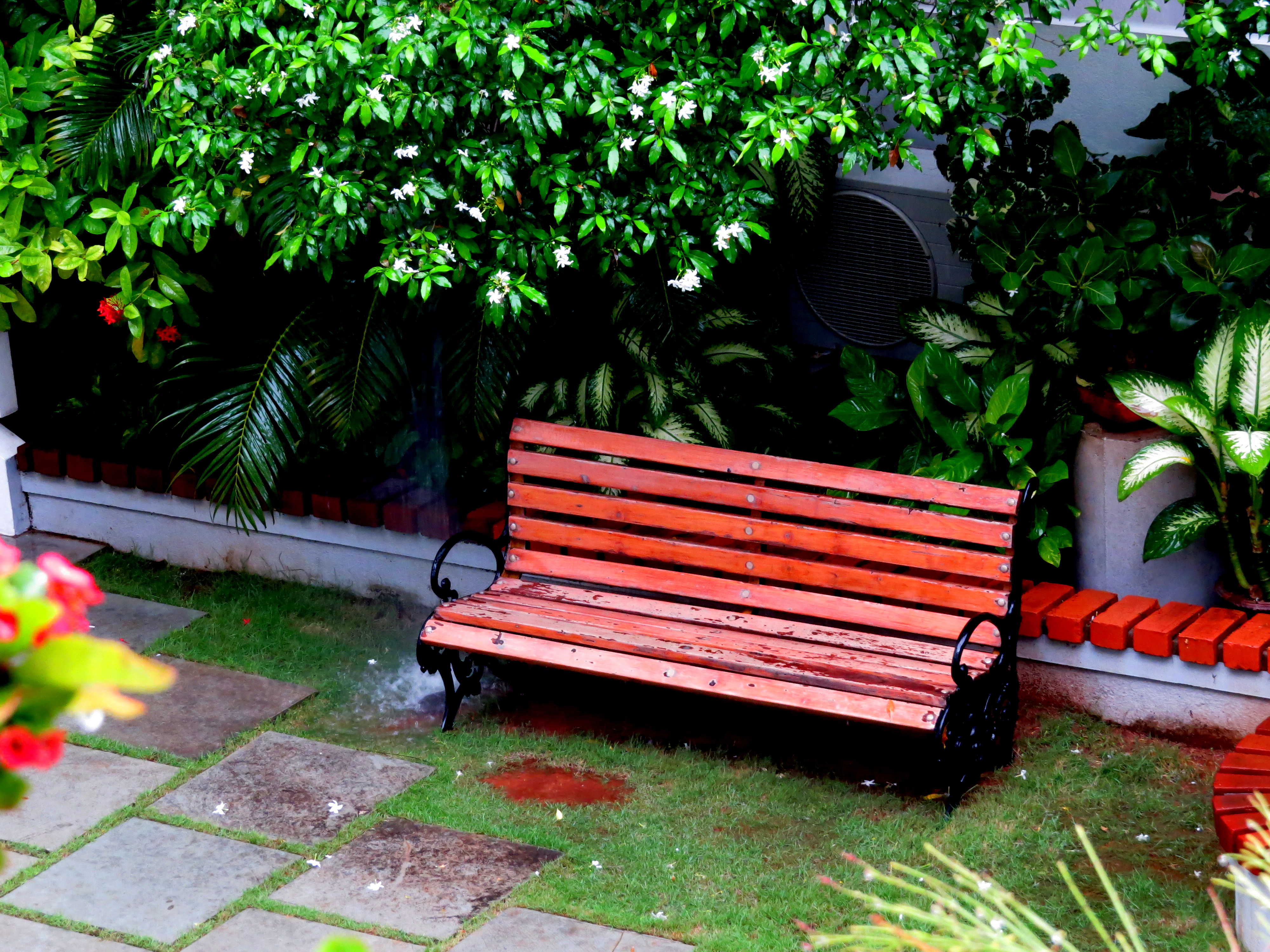
It just turned 12 noon a few minutes ago. After a spell of summer rains, the weather is a bit cool, some respite from the hot June.
Pondy is buzzing with the coming of some political figures from Delhi. Though we dont have decent roads, the TAC ground is being beautified for the VIP's visit. That's politics. While we have money for such functions, we don't have enough for creating basic facilities..
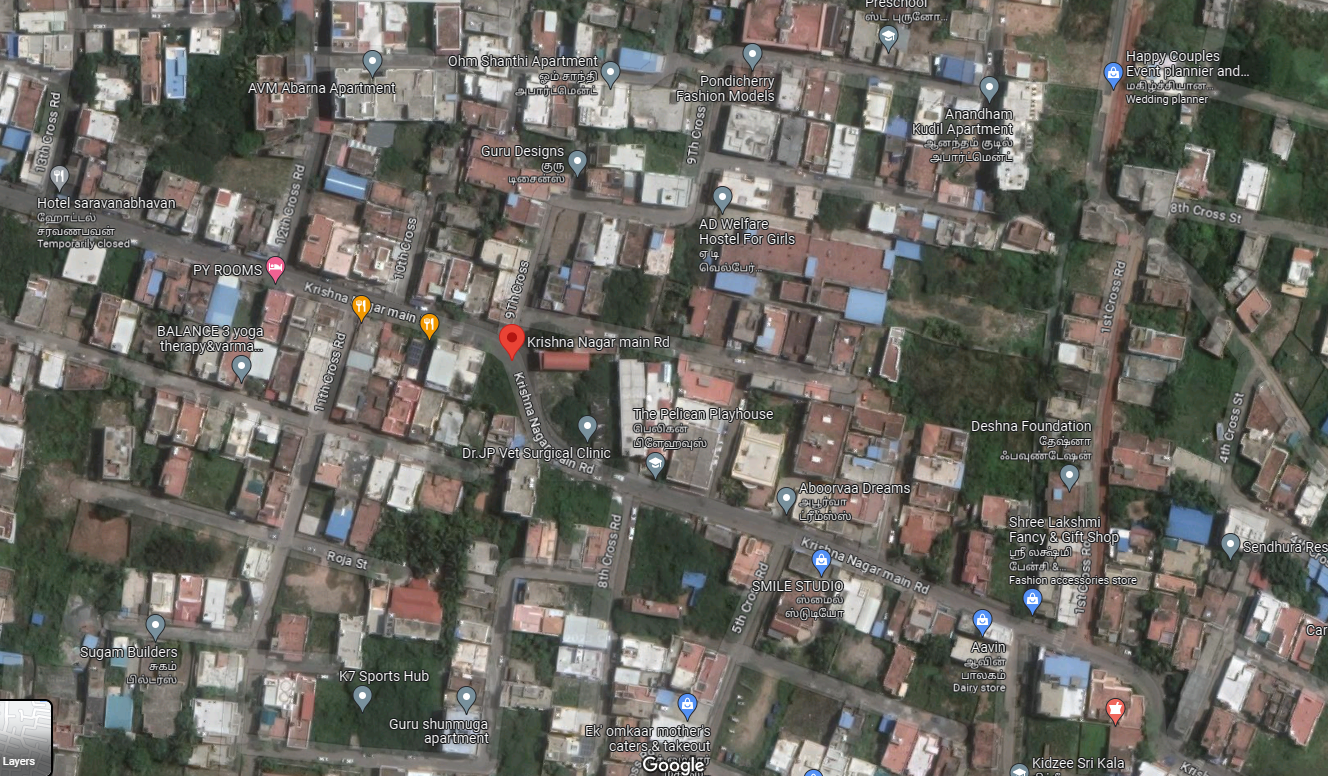
A few kilometers - in Krishna Nagar, adjacent to the East Coast Road a new police station is being built in a water body. Absolutely no problems with that for Pondy govt. In fact, the govt thinks that it has the "right" to encroach on water bodies. Because they have already done it many times. Same Krishna Nagar, crores of rupees are being spent to "pump" out rainwater to the Bay of Bengal because the water spaces have all been encroached upon. We have plenty of money for pumping out rainwater, but not to harvest them in Ponds or Eris (lakes). Interestingly a whole racket of public servants including former Directors/Registrar, politicians/MLA - the list goes on and on - all are involved in a huge land-grab - to the tune of some 60,000 sq.ft of common lands. This is Pondy. The same Pondy which is known for spirit-ual tourism.
Where time takes a break.
Yes, it is somewhat a cool afternoon. We Pondicherrians are used to all these. Be cool. Give all your concerns a break.